Uncategorized
Whole Melt Extracts Real Or Fake
Aug
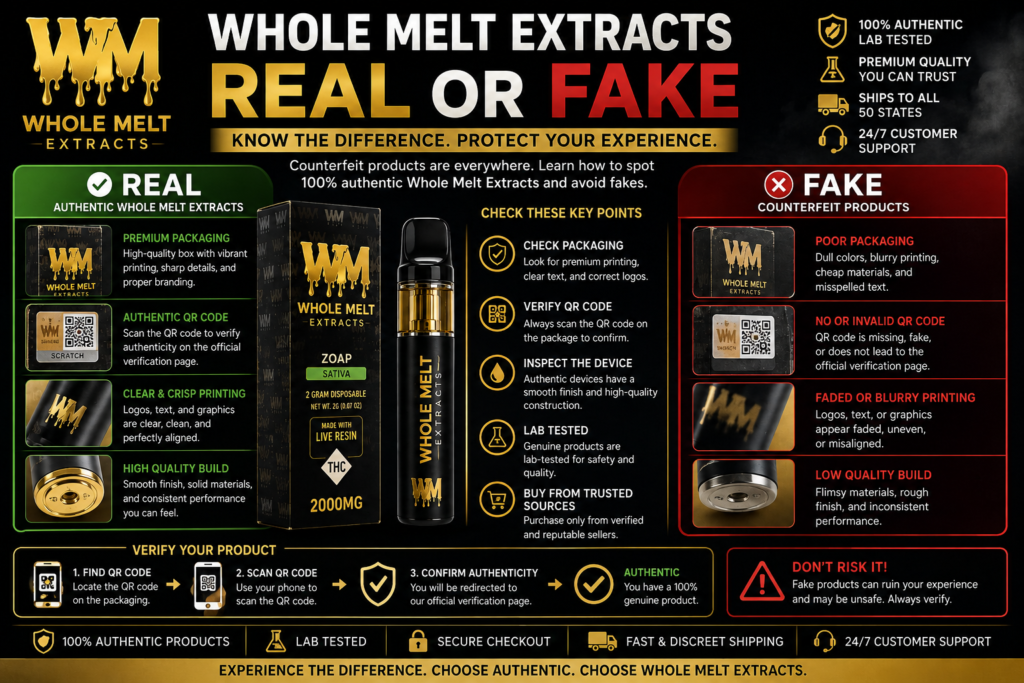
Whole Melt Extracts Real or Fake? How to Verify Authentic Products
Search “Whole Melt Extracts real or fake” and you’ll find plenty of confident answers—but not all of them agree.
The more useful answer is this: you shouldn’t determine the authenticity of an individual Whole Melt product from the brand name or one packaging feature alone. Products represented as Whole Melt Extracts can vary by format and collection, while packaging, QR codes, labels, and branding can potentially be copied.
That makes authentication a process of verification rather than visual guesswork.
To evaluate a Whole Melt product, consider its source, packaging consistency, identifying information, verification features, available laboratory documentation, and the physical product together. When several independent pieces of information agree, you have a much stronger basis for assessing authenticity than you would from a logo, oil color, QR code, or viral comparison photo alone.
This guide explains how to perform that check.
Are Whole Melt Extracts Real or Fake?
The question itself needs to be separated into two different issues:
-
Does a product carrying Whole Melt Extracts branding exist?
-
Is the specific Whole Melt product in your possession authentic and verifiable?
Those aren’t the same question.
Seeing Whole Melt branding on a disposable, cart, concentrate container, or box does not independently establish where that particular item came from.
Likewise, discovering counterfeit or questionable products carrying similar branding does not automatically establish that every product carrying the name is counterfeit.
The practical question for a buyer is therefore:
Can this particular Whole Melt Extracts product be reasonably verified?
That is what the rest of this guide helps you determine.
Why Whole Melt Extracts Authenticity Can Be Confusing
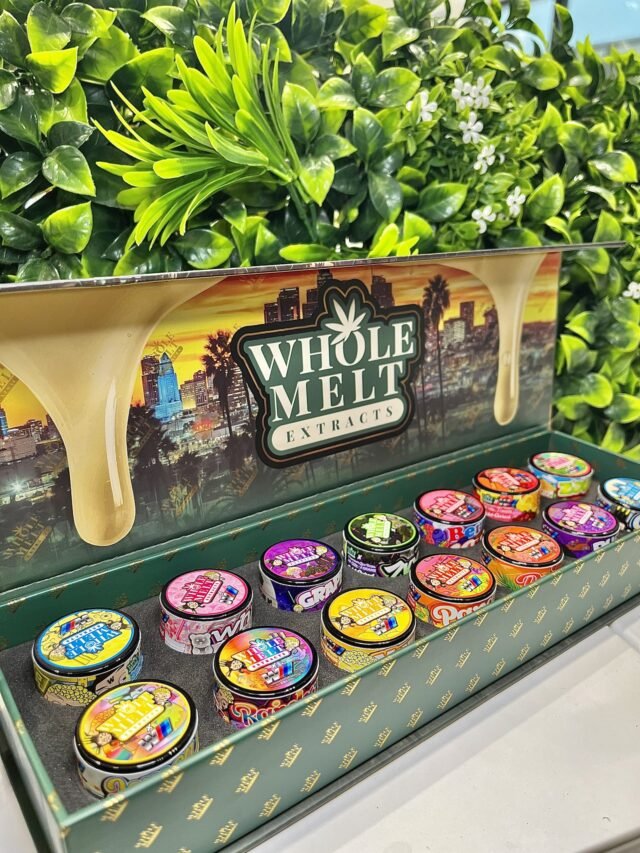
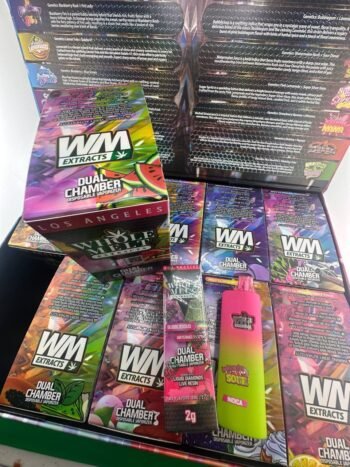
Whole Melt products appear across several formats and collections.
Depending on what you’re researching, you may encounter:
-
Disposable devices
-
Dual-chamber disposables
-
Vape products
-
Live resin products
-
Shatter
-
Hash rosin
-
Resin sugar
-
Other concentrate formats
-
Different editions and collections
Packaging and product presentation may therefore differ between formats.
This creates a problem with simplistic online authenticity advice.
A feature associated with one product or release should not automatically become a universal rule for every Whole Melt product.
For example, declaring a product counterfeit solely because its box doesn’t look identical to an image of a different edition can produce an unreliable conclusion.
Authentication works better when you identify exactly what product you’re checking first.
The Whole Melt Extracts Verification Hierarchy
Not every authenticity clue carries equal weight.
A useful way to approach verification is to move from stronger evidence toward supporting visual clues.
Stronger Verification Signals
These include:
-
A traceable purchase source
-
Product or batch identifiers that correspond
-
Verification information connected with the product
-
Relevant laboratory documentation
-
Consistent product records
Supporting Signals
These include:
-
Packaging quality
-
Branding consistency
-
Tamper evidence
-
Device construction
-
Label quality
Weak Signals When Used Alone
Be careful about making decisions solely from:
-
Oil color
-
Bubble movement
-
Flavor
-
Smell
-
Perceived potency
-
Vapor production
-
Price
-
A single photograph
-
One packaging detail
The strongest assessment comes from combining evidence, not finding one supposedly perfect authenticity test.
For a step-by-step verification workflow, use our Whole Melt Extracts Verification Guide.
1. Verify Where the Whole Melt Product Came From
Start with the seller rather than the package.
Ask basic questions:
Can you clearly identify who sold the product?
Does the seller provide meaningful product information?
Is verification support available?
Can questions about the product be answered clearly?
Are store and shipping policies accessible?
A product obtained from an unknown social-media account, unverifiable seller, or source with little accountability naturally gives you less information to work with.
Seller credibility does not replace product verification, but it provides an important foundation for it.
Why Source Verification Comes First
Packaging can be copied.
Logos can be copied.
QR codes can potentially be copied.
Product images can be reused.
A credible product trail is harder to establish when the seller cannot explain where the item came from or provide meaningful information supporting it.
For this reason, don’t wait until after purchasing to research the source.
2. Identify the Exact Whole Melt Product
Before comparing packaging, determine exactly what you’re looking at.
Is it a disposable?
A dual-chamber device?
A cart?
Live resin sugar?
Shatter?
Hash rosin?
A particular edition or collection?
This sounds obvious, but it prevents a common verification mistake: comparing unrelated Whole Melt products and interpreting normal differences as evidence of counterfeiting.
If you’re examining a disposable specifically, our guide to Whole Melt Extracts 2g Disposable real or fake covers that format in greater detail.
For dual-chamber devices, use our dedicated Whole Melt Dual Chamber Real or Fake guide for more product-specific checks.
3. Inspect the Packaging for Consistency
Once you’ve identified the product, examine the package carefully.
Look beyond whether it appears attractive.
Check for:
-
Clear printing
-
Consistent typography
-
Correct spelling
-
Properly aligned graphics
-
Consistent product naming
-
Intact packaging
-
Identifying information where provided
-
Labels that make sense for the product
-
Signs of alteration or tampering
The important concept here is internal consistency.
Suppose the front of the package identifies one product while another label describes a completely different item.
That deserves investigation.
The same applies to contradictory edition names, product identifiers, flavor information, or documentation.
Does Bad Packaging Automatically Mean Fake?
No.
Packaging can be damaged during storage, handling, or shipping.
One printing imperfection should therefore not automatically determine your conclusion.
Multiple unexplained discrepancies are more meaningful than one cosmetic defect.
Does Perfect Packaging Prove It’s Real?
Also no.
Counterfeit packaging can be sophisticated.
Professional printing establishes that something was printed professionally—it does not independently establish the origin or contents of the product inside.
4. Check the QR Code or Verification Feature Properly
QR codes receive enormous attention in Whole Melt authenticity discussions.
They can be useful, but they need to be interpreted correctly.
A QR code is not automatically proof of authenticity.
When scanning one, determine:
-
Where the code leads
-
Whether the destination is relevant
-
Whether the domain looks correct
-
Whether identifying information is presented
-
Whether that information corresponds with your product
-
Whether additional documentation can be independently evaluated
Be cautious if a code leads to:
-
An unrelated webpage
-
An unexpected domain
-
A generic social-media profile
-
A suspicious redirect
-
A broken page
-
An unexpected download
-
Information describing a different product
Don’t simply scan, see a webpage appear, and consider the verification finished.
Verify what the QR code is actually telling you.
5. Compare Batch Numbers and Product Identifiers
Where identifying numbers or codes are available, cross-check them.
You are looking for a logical connection between:
Physical product → packaging → identifier → verification information → documentation
Suppose a package displays one identifier while the available laboratory document references another.
That discrepancy needs an explanation.
Similarly, if verification information identifies a different product, collection, or batch, don’t ignore the mismatch simply because the webpage looks professional.
Matching identifiers provide substantially more useful information than packaging appearance alone.
6. Examine the COA Instead of Just Looking for One
A Certificate of Analysis (COA) is a laboratory document reporting information about a tested sample.
There is an important difference between:
“A lab report exists.”
and
“This lab report can reasonably be connected to the product I’m checking.”
When a COA is available, examine details such as:
-
Laboratory identity
-
Sample identification
-
Batch or product information
-
Testing date
-
Reported cannabinoid information
-
Relevant contaminant testing where reported
-
Whether the identifiers correspond with your product
A professional-looking laboratory report should not automatically be treated as proof that every product linked or attached to it came from the tested sample.
The connection between the report and product matters.
Our store uses independent lab testing as part of its product-quality and verification process.
7. Look for Tampering or Alteration
Packaging integrity provides another useful piece of evidence.
Inspect the product for unexplained signs that packaging has been opened, resealed, modified, or relabeled.
Potential concerns include:
-
Broken seals
-
Unusual adhesive
-
Labels covering other labels
-
Damaged packaging around openings
-
Information that appears replaced
-
Packaging that doesn’t close as expected
Tampering does not necessarily establish who manufactured the product, but it can compromise your ability to trust its contents.
8. Inspect Disposable and Vape Hardware
For Whole Melt disposables or vape products, inspect the actual device as well.
Look for obvious problems such as:
-
Cracked housing
-
Loose components
-
Severe leakage
-
Misaligned parts
-
Poorly applied branding
-
Unexplained gaps
-
Components that appear damaged
-
Signs of prior use or alteration
Hardware inspection can reveal quality or handling problems.
But remember the hierarchy: good-looking hardware does not independently authenticate the contents.
A counterfeit product can use convincing hardware.
Similarly, transportation damage does not automatically make an authentic product counterfeit.
Whole Melt Extracts Real vs. Fake: Quick Comparison
| Verification Area | More Reassuring | Needs Further Investigation |
|---|---|---|
| Seller | Identifiable source with product support | Unknown or unverifiable source |
| Product identity | Clearly identifiable format/collection | Product identity is unclear |
| Packaging | Clear and internally consistent | Errors or contradictory information |
| QR/verification | Relevant destination and matching details | Suspicious or unrelated destination |
| Identifiers | Correspond across available records | Missing or conflicting codes |
| COA | Relevant documentation connected to product/batch | Generic or unrelated lab report |
| Packaging integrity | Appears intact | Evidence of alteration or tampering |
| Hardware | Consistent construction | Major unexplained defects |
| Overall evidence | Independent details agree | Multiple details contradict one another |
Use the table as a screening tool—not a mathematical authenticity score.
Common Whole Melt Extracts Fake Warning Signs
A single warning sign doesn’t always settle the question.
Several warning signs appearing together deserve considerably more attention.
Mismatched Product Information
Contradictory information is one of the most useful reasons to investigate further.
If packaging, verification results, and documentation describe different products, something needs clarification.
Suspicious QR Destination
Don’t overlook an unusual destination simply because the code successfully scanned.
Unrelated Laboratory Report
A COA for some cannabis sample isn’t automatically evidence about the product you’re holding.
Look for traceability.
Unknown Seller With No Verification Support
When the seller cannot answer product questions or provide useful support, resolving authenticity concerns becomes much harder.
Multiple Packaging Errors
One imperfection is different from a package containing spelling errors, low-quality graphics, contradictory information, questionable labels, and signs of tampering.
Unusually Low Pricing Combined With Other Problems
Price fluctuates and should never be treated as an authenticity test by itself.
But a suspiciously cheap product from an unknown source with other verification problems deserves additional scrutiny.
Can You Tell Fake Whole Melts by Oil Color?
Not reliably.
Oil or concentrate appearance can be visually interesting, but color alone cannot establish:
-
Authenticity
-
Cannabinoid composition
-
Contaminant status
-
Potency
-
Product origin
-
Laboratory results
Avoid simplistic rules such as:
“This exact color means real.”
or
“Anything darker means fake.”
Those conclusions require information that appearance alone cannot provide.
The same caution applies to viscosity and bubble movement.
Can Taste or Smell Tell You If Whole Melt Extracts Are Real?
Taste and smell should not be used as authentication methods.
Flavor and aroma are subjective, and different products may naturally have different profiles.
More importantly, consuming an unknown product to determine whether it “tastes authentic” is backwards.
If you genuinely question what a product contains, verify it before deciding whether to use it.
For information about available flavor profiles and collections rather than authenticity judgments, see our Whole Melt Extracts Flavors guide.
Are All Whole Melt Products Supposed to Look the Same?
No.
This is particularly important because Whole Melt appears across multiple formats and collections.
Different products can naturally have different:
-
Packaging designs
-
Product names
-
Flavor presentations
-
Hardware formats
-
Labels
-
Collection artwork
Don’t compare a disposable against concentrate packaging and conclude that one must be counterfeit simply because the boxes don’t match.
Compare like with like whenever possible.
What About Whole Melt Real vs. Fake Pictures Online?
Pictures can help you understand what details to inspect, but they have an important limitation:
A photograph captures one product at one point in time.
Packaging can evolve. Collections can differ. Product formats can differ. Counterfeiters can also update their packaging.
Therefore, an old “real vs. fake” photograph shouldn’t become your permanent authentication standard.
Use images as references—not final proof.
The Biggest Whole Melt Verification Mistakes
Many authenticity problems come from relying too heavily on shortcuts.
Mistake 1: Trusting the QR Code Automatically
Scanning is the beginning of the check, not necessarily the end.
Mistake 2: Looking Only at Packaging
Packaging is supporting evidence.
Mistake 3: Treating Oil Color as Proof
Appearance cannot establish identity or composition.
Mistake 4: Assuming a COA Must Be Genuine Because It Looks Professional
Check whether it actually corresponds with the product.
Mistake 5: Comparing Different Whole Melt Collections
Verify the exact product or edition whenever possible.
Mistake 6: Ignoring the Seller
Product verification begins with traceability.
Mistake 7: Trying the Product to See Whether It “Feels Real”
Subjective effects aren’t an authenticity test.
What to Do If You Think Your Whole Melt Extracts Are Fake
If several verification checks fail, don’t rush to either conclusion.
Instead, classify the product as unverified while you investigate.
Keep:
-
Original packaging
-
Order or purchase information
-
Product identifiers
-
Photos of the packaging
-
Photos of the product
-
Screenshots of QR destinations
-
Available laboratory documentation
-
Communications with the seller
Then compare those records and contact the seller or appropriate verification support.
If the product was purchased through our website, use our Verify Authentic Product page for assistance.
Whole Melt Extracts Authenticity Checklist
Before reaching a conclusion, work through these questions:
-
Can I identify where the product came from?
-
Do I know exactly which Whole Melt product or collection I’m checking?
-
Is the packaging internally consistent?
-
Does the QR or verification feature lead somewhere relevant?
-
Do product and batch identifiers correspond?
-
Can available laboratory documentation be connected to the product or batch?
-
Does the packaging appear intact and untampered with?
-
Are there unexplained problems with the physical product?
-
Do the independent verification signals agree with one another?
The final question is the most important.
Authentication becomes stronger when multiple independent pieces of evidence point toward the same conclusion.
Buying Whole Melt Extracts With Verification in Mind
The easiest authenticity problem to solve is the one you avoid before purchasing.
Research the source before ordering rather than trying to reconstruct the product’s history afterward.
Our store provides 100% authentic products, independent lab testing, product-verification support, secure checkout, and 24/7 customer assistance.
Customers can also review our Shipping & Delivery information for details about shipping across all 50 U.S. states according to store policies and applicable restrictions.
Verification support is available through our authentic product verification page.
Frequently Asked Questions
Are Whole Melt Extracts real or fake?
The more useful question is whether the specific Whole Melt product you’re evaluating can be authenticated. Branding alone cannot establish the origin of an individual product. Check its source, packaging, identifiers, verification information, available lab documentation, and physical condition together.
How can I tell if Whole Melt Extracts are real?
Use multiple independent verification signals. Start with the seller, identify the exact product, inspect its packaging, examine verification features, compare available identifiers, review relevant laboratory documentation, and investigate inconsistencies.
Do real Whole Melt Extracts have QR codes?
If a product carries a QR or other verification feature, examine where it leads and whether the information corresponds with the product. Don’t treat the existence of a QR code by itself as definitive authentication because codes and printed packaging can potentially be copied.
How do I check a Whole Melt Extracts verification code?
Scan or enter the verification information as instructed, then examine the destination carefully. Check the domain, product information, identifiers, and any supporting documentation rather than simply assuming that a successful scan means the product is authentic.
What happens if a Whole Melt QR code doesn’t work?
A failed code should be investigated, but it shouldn’t automatically become your entire conclusion. Recheck the code, examine other identifiers, retain the packaging, and contact the seller or verification support for clarification.
Can fake Whole Melt Extracts have convincing packaging?
Yes. Packaging and branding can potentially be reproduced, which is why visual inspection alone isn’t a strong enough authentication process.
Can I tell whether Whole Melts are fake from the oil?
Oil color, thickness, bubbles, smell, flavor, or perceived effects should not be treated as definitive authenticity tests. Product traceability and supporting documentation provide more meaningful evidence.
What should I do if I cannot verify my Whole Melt product?
Keep the product and packaging information needed for verification and seek clarification before relying on it. If several independent details conflict, treat the product as unverified until those discrepancies can be resolved.
Whole Melt Extracts Real or Fake: Final Verdict
When asking “Whole Melt Extracts real or fake?”, avoid searching for one packaging trick that supposedly provides an instant answer.
Authentication is stronger when you can establish a consistent trail:
credible source → identifiable product → consistent packaging → matching identifiers → meaningful verification → relevant documentation
Packaging, hardware, price, oil appearance, and online comparison photos can provide supporting clues, but none should replace that process.
Most importantly, evaluate the specific product in front of you rather than trying to authenticate an entire brand from one photo, one QR code, or one online claim.
Still unsure about a product? Use our Whole Melt Product Verification page to begin the verification process.
